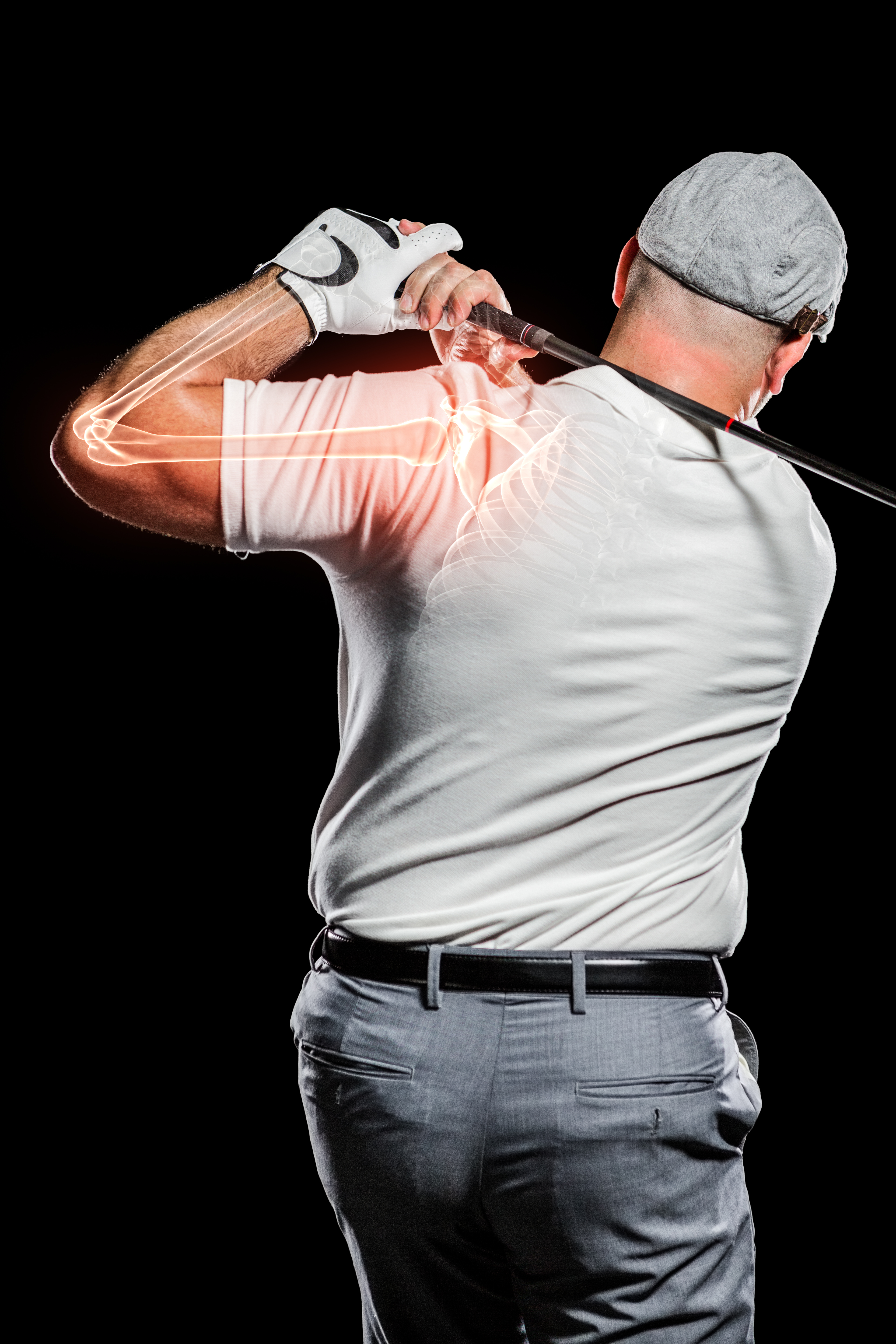
Club fitting that truly fits you: match your body, swing and movement patterns
Most golfers pick clubs by brand or price, missing the real game-changer: matching clubs to your body and swing. Your unique movement patterns and strength shape how you perform and stay injury-free. This blog reveals why custom club fitting that factors in your golf biomechanics delivers consistency, power, and control like nothing else. Book your Movement & Club Fitting Assessment today and start playing with specs that suit your body and swing. https://www.swinglabtheory.com/post/unlocking-your-golf-potential-the-body-swing-connection
Why Custom Club Fitting Matters

Getting clubs that fit you perfectly can change the way you play golf. It’s like having a suit tailored just for you — everything feels right. Let’s explore how this process creates a powerful connection between your body and your swing.
The Body-Swing Connection
Your body dictates your swing. When your clubs match your body, you’ll notice improvements in control and distance. Most people think it’s all about strength, but it’s about harmony. Every move you make on the course starts with how you’re built. For example, a golfer with a more flexible spine might benefit from clubs with a different shaft flex than someone with a more rigid posture. Understanding your unique body traits is the first step to choosing the right clubs.
Golf Biomechanics Explained
How do your muscles and joints work together during a swing? That’s golf biomechanics. It’s the study of movements that make up your swing. By examining these movements, you can identify how your body influences your performance. Most golfers don’t realise that even small changes, like adjusting your grip or stance, can lead to big improvements. For instance, understanding how your hips rotate can help you generate more power without straining your back. To delve deeper into this topic, check out this article on movement patterns in golf.
The Role of Launch Monitor Data
Launch monitors capture vital data, such as clubhead speed and spin rate. By analysing this information, you can see how different clubs affect your swing. Imagine having a device that tells you exactly how changes in your clubs impact your game. This data helps you make informed decisions, ensuring you choose the right equipment to enhance your performance. This scientific approach offers insights that can transform your game. To learn more about this technology, read this article on applied sciences in sports.
Personalised Golf Clubs for You

Customising your golf clubs is like piecing together a puzzle. Each part of the club affects your swing differently. Let’s break down how to tailor your clubs for the best fit.
Tailoring Shaft Flex and Profile
The shaft of your club is its backbone. Choosing the right flex can make or break your swing. A flexible shaft might suit someone with a slower swing speed, offering more distance. Conversely, a stiffer shaft provides control for those with a faster swing. Most people think all shafts are the same, but each has its unique characteristics. Knowing which is right for you can transform your game. Here’s the key insight: The right flex leads to more consistency and control.
Club Length and Lie Angle Basics
Ever wonder why some clubs feel awkward? It could be the length or lie angle. Clubs that are too long or too short can lead to poor posture and inconsistent shots. The lie angle affects how the clubface meets the ball. If your shots tend to veer off course, consider checking your club length and lie angle. A simple adjustment might be all you need to improve your accuracy. Remember, the right size leads to better contact and more precise shots.
Grip Size Fitting Importance
The grip is your connection to the club. If it’s too big or too small, it can affect your swing. A grip that’s just right helps you control the club with ease. Imagine trying to swing with a grip that feels awkward. It’s distracting and can lead to errors. By ensuring your grip fits well, you’ll find it easier to maintain consistency and comfort during your game.
The Power of Movement Screens

Movement screens act as a road map, showing where your body needs attention. Understanding your mobility and strength can lead to fewer injuries and a more consistent game.
Golf Mobility and Strength Assessment
A mobility assessment highlights areas that need improvement. Even a slight lack of flexibility can affect your swing. By understanding your body’s limitations, you can focus on exercises that enhance your mobility. Strength assessments identify muscle imbalances that could impact your game. Here’s the key insight: Knowing your strengths and weaknesses allows you to train smarter, not harder.
Reducing Golf Injuries
Injuries can sideline even the best golfers. By focusing on mobility and strength, you can reduce your risk of injury. Think of your body as a machine. If one part isn’t working correctly, it can lead to problems elsewhere. Regular assessments and targeted exercises can help keep you healthy and on the course. The longer you wait to address these issues, the more likely they are to develop into something more serious.
Improving Ball Striking Consistency
Consistent ball striking is the cornerstone of a good golf game. By understanding your body and making necessary adjustments, you can improve your consistency. It’s not just about hitting the ball — it’s about hitting it well every time. When your clubs and body are in sync, you’ll find it easier to replicate your swing, leading to more reliable results on the course.
By focusing on your unique needs, you can unlock your full potential. Embrace the science and start seeing real improvements in your game.
Leave a Reply