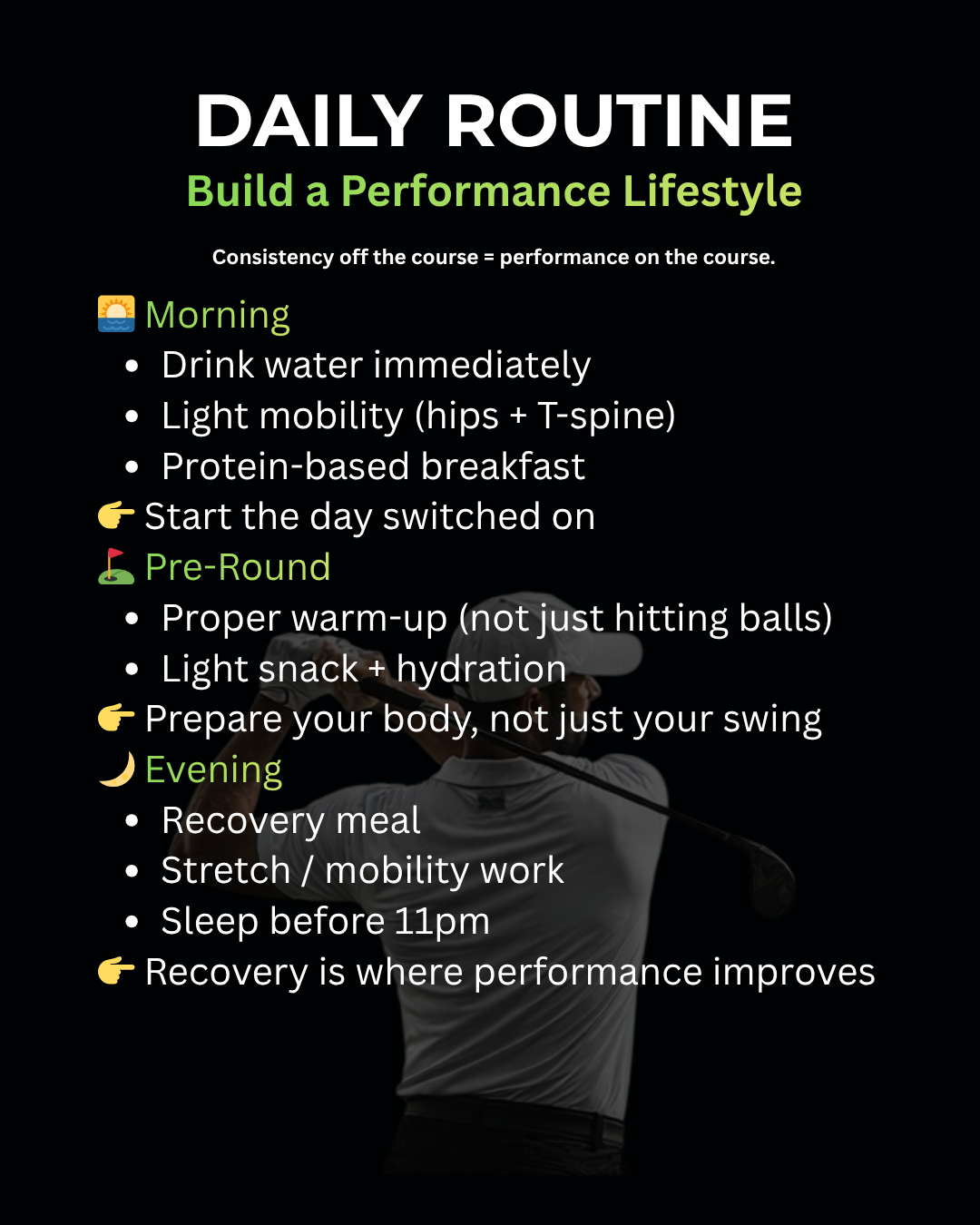
Golf seasons don’t wait for you to catch up—and neither does wear and tear on your body. Without smart golf recovery strategies, you risk losing clubhead speed, battling swing pain, and facing burnout before the autumn leaves fall. This season, your edge comes from in-season recovery for golfers who know how to manage load, boost mobility, and keep performing round after round. Ready to play stronger and pain-free all year? Read more about mastering your golf mindset here.
Smart Recovery for Golfers
Maintaining peak performance throughout the golf season requires more than just practice. It’s about smart recovery, which keeps you refreshed and ready for every round.
Importance of Rest and Recovery
Rest isn’t just a pause; it’s a powerhouse for your performance. When you allow your body to rest, you foster muscle repair and energy restoration. This is crucial to keep your swing strong and your game consistent. Most people think they can power through fatigue, but this often leads to injuries and setbacks. Rest days and active recovery sessions are essential to maintain clubhead speed and reduce swing pain.
Science Behind Recovery Strategies
Recovery strategies are grounded in science, focusing on how bodies rebuild stronger post-activity. Techniques like soft tissue work and breathing drills enhance circulation and decrease muscle soreness. The integration of these methods into your routine can improve muscle elasticity and joint mobility, crucial for keeping your swing fluid and powerful. Evidence shows that incorporating personalized recovery protocols can significantly reduce overtraining risks.
Benefits of Personalised Recovery Plans
A one-size-fits-all recovery plan won’t cut it. Personalized recovery plans address your specific needs, ensuring each session supports your body’s unique demands. Tailored plans can incorporate exercises to boost flexibility or target lower back pain, a common golfer’s complaint. This customised approach not only enhances recovery but also prevents injuries, allowing you to enjoy the game pain-free for longer.
Core Components of Golf Recovery

To keep swinging strong, you need to master the core components of golf recovery. Each piece ensures you’re ready for the next round with energy and mobility.
Mobility and Activation Routines
Mobility routines are the secret sauce to a dynamic game. These routines focus on improving flexibility and activating key muscles. By incorporating stretches and activation exercises into your warm-up, you prepare your body for the physical demands of golf. For instance, rotational stretches can enhance your swing range, helping you maintain power and prevent injuries.
Hydration and Nutrition Timing
Hydration and nutrition aren’t just about drinking water or eating right—they’re about timing. Proper hydration strategy is crucial before, during, and after golf to maintain performance. Similarly, understanding when to fuel up and recover with protein supports muscle repair and energy levels. By aligning your nutrition with your play schedule, you can optimise your body’s performance and endurance on the course.
Load Management and Deload Weeks
Managing your workout load is vital. Regularly scheduled deload weeks help prevent overtraining and maintain peak performance. These weeks involve reducing the intensity of workouts, allowing your body to recover fully. This practice not only helps preserve your energy levels but also enhances your ability to perform when it counts.
Practical Recovery Techniques

Practical recovery techniques empower you to take active steps toward better performance. Incorporate these methods to stay in top form throughout the season.
Foam Rolling and Soft Tissue Work
Foam rolling is a simple yet effective method to release tension and improve blood flow. Regular sessions can alleviate muscle tightness and enhance flexibility. Soft tissue work, like massage, can also target specific areas prone to tension. By integrating these practices into your routine, you can significantly improve your recovery process and maintain your golf fitness programme.
Breathing and Golf Mobility Drills
Breathing and mobility drills are more than just calming exercises. They enhance focus and control, crucial elements during a game. Simple breathing exercises can help manage stress and improve your swing rhythm. Golf mobility drills, on the other hand, ensure your body moves efficiently and effectively, reducing the risk of injury.
Sleep and Protein Intake Strategies
Quality sleep is non-negotiable in recovery. It’s the time when your body repairs and strengthens itself. Paired with strategic protein intake, sleep supports muscle recovery and energy replenishment. Prioritising a good night’s rest alongside balanced nutrition ensures you awake ready to face the course with vigour.
Frequently Asked Questions
Why is rest important for golfers?
Rest allows for muscle repair and energy restoration, essential for maintaining clubhead speed and reducing swing pain. It prevents injuries and helps sustain performance throughout the season.
What are some effective recovery techniques for golfers?
Foam rolling, soft tissue work, and mobility drills enhance flexibility and circulation. Breathing exercises can also improve focus and control, vital for a consistent game.
How does hydration affect golf performance?
Proper hydration maintains energy levels and prevents fatigue. Timing your hydration before, during, and after play ensures optimal performance and recovery.
What is the benefit of personalised recovery plans?
Personalised recovery plans address individual needs, enhancing recovery and preventing injuries. They ensure each session supports your unique body demands, keeping you game-ready.
How do sleep and nutrition impact recovery?
Quality sleep paired with strategic protein intake supports muscle repair and energy replenishment. This combination ensures you’re refreshed and prepared for each round of golf.
Leave a Reply