
Most golfers underestimate how fast fatigue and niggles build over a season. You might start strong but lose clubhead speed and mobility by mid-year, silently risking injury. This post reveals why a clear golf recovery strategy is essential to stay sharp from the first tee to the final medal—and how simple routines can keep your performance consistent all season. Learn more.
Importance of Recovery in Golf
Recovery is not just about rest. It’s an active process that keeps you swinging smoothly and playing confidently. Without it, you risk losing your edge mid-season.
Why Recovery Matters
Recovery is the secret to maintaining and improving your game. By understanding its impact, you can prevent injuries and extend your playing years. Proper recovery helps keep your joints and muscles in peak condition, reducing the risk of overuse. When you give your body the care it needs, you can maintain consistent performance. This means fewer days nursing aches and more days enjoying the fairway.
Science Behind Golf Recovery
Engaging in a structured recovery routine is essential for golfers. It involves more than just resting after a long day at the course. Effective recovery includes targeted exercises and therapies that help muscles rebuild and refresh. Studies have shown that regular recovery practices improve muscle resilience and overall physical readiness. By focusing on these routines, you can maintain a robust game throughout the season. Take control of your golf performance by learning the science behind effective recovery.
Impact on Performance
Consistent recovery practices have a direct impact on your game. They help maintain clubhead speed by ensuring your muscles are always ready for action. Recovery also enhances flexibility, a critical factor in achieving a powerful and accurate swing. By incorporating these practices into your routine, you’ll notice improved consistency and fewer days sidelined by injury. The best golfers understand that recovery is as important as practice.
Effective In-Season Training for Golfers
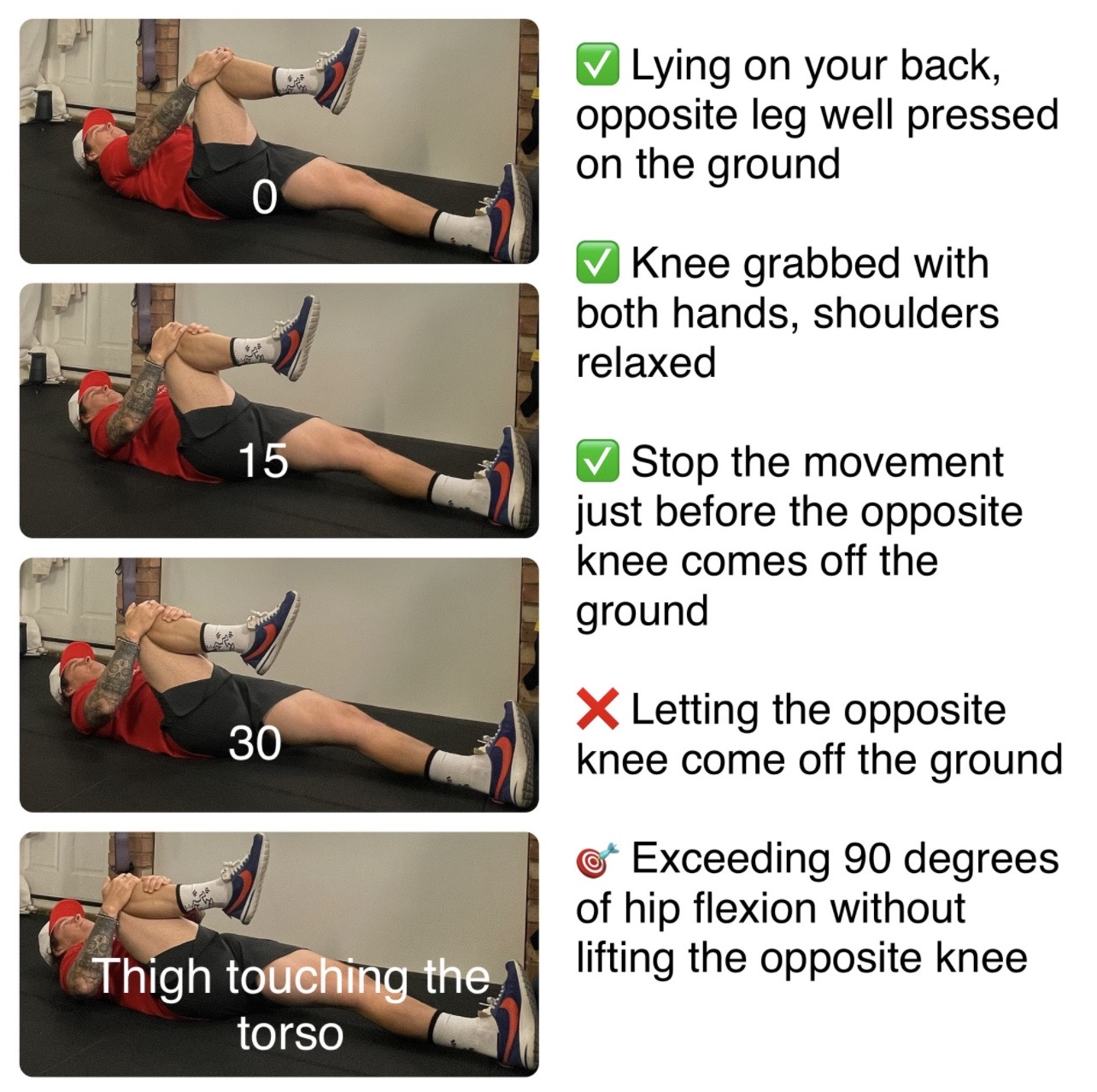
In-season training requires a balance between activity and recovery. Focusing on this balance is key to maintaining performance and avoiding burnout.
Designing a Personalised Plan
Create a training plan tailored to your specific needs. This means considering your current fitness level, goals, and any existing injuries. A personalised plan ensures that you focus on the right areas to improve your game. Consider including exercises that target your swing’s mechanics to improve efficiency and power. Regularly assess your progress and adjust your plan as needed. With a targeted approach, you can see significant improvements in your on-course performance.
Maintaining Clubhead Speed
Keeping your clubhead speed up throughout the season requires dedication to both fitness and recovery. Incorporate exercises that build strength and flexibility, focusing on the core and upper body. Regular practice with weighted clubs can help maintain and even increase your swing speed. Don’t forget the importance of rest days to allow your muscles to recuperate. Consistent training combined with adequate recovery will keep your clubhead speed at its best.
Deload Weeks and Their Value
Deload weeks are an essential component of any golfer’s training schedule. These weeks allow your body to recover from the stresses of regular training. During a deload week, you should reduce the intensity and volume of your workouts. This helps prevent overtraining and reduces the risk of injury, keeping you fresh and ready for upcoming rounds. Embracing deload weeks as part of your routine can significantly enhance long-term performance.
Essential Strategies for Season-Long Performance

To be at your best all season, you need a comprehensive approach that includes physical, nutritional, and mental strategies.
Golf Mobility Routine Essentials
A well-rounded mobility routine is crucial for maintaining flexibility and preventing injury. Focus on exercises that enhance your range of motion in key areas like the hips, shoulders, and back. Yoga and dynamic stretching are excellent additions to your routine. These practices not only enhance your swing but also reduce the risk of injury. By dedicating time to mobility, you’ll enjoy more fluid movements and better performance on the course.
Nutrition and Hydration Tips
Fuel your body with the right nutrients to support your game. Prioritise a diet rich in lean proteins, whole grains, and plenty of fruits and vegetables. Staying hydrated is equally important. Aim to drink water consistently throughout the day, especially before and after rounds. Adjust your nutrition and hydration based on the length and intensity of your play. Proper fuel keeps your energy levels stable and your focus sharp.
Sleep and Readiness Monitoring
Sleep is a powerful tool for recovery and performance. Aim for 7-9 hours of quality sleep each night to facilitate muscle repair and mental clarity. Monitoring your sleep patterns can provide insights into your readiness to play. Tools like heart rate variability (HRV) tracking can indicate when your body needs more rest. Prioritising sleep leads to better focus, improved mood, and enhanced performance on the course.
Frequently Asked Questions
What are the best exercises for maintaining clubhead speed?
Exercises that focus on building core strength and flexibility are essential for maintaining clubhead speed. Include rotational exercises, plyometrics, and weighted club drills in your routine.
How can I prevent golf-related injuries?
Prevent injuries by incorporating a balanced approach of strength training, mobility exercises, and proper recovery techniques. Pay attention to your body’s signals and adjust your training as needed.
What should I eat before a golf round?
Consume a balanced meal with lean protein, complex carbohydrates, and healthy fats about two hours before your round. This provides sustained energy and focus throughout your game.
How important is hydration in golf?
Hydration is crucial for maintaining performance and preventing fatigue. Drink water consistently before, during, and after your round to keep your energy levels stable.
Why is sleep important for golfers?
Sleep is vital for recovery and performance. It helps repair muscles and supports mental clarity, both of which are crucial for a successful game. Aim for quality sleep each night to ensure you’re ready to play your best.
Leave a Reply