Stiffness and niggles after your rounds aren’t just part of getting older—they’re signs your body needs a smarter recovery plan. Without it, pain creeps in and your ball striking suffers, making consistency a struggle. This post explains why golf recovery matters and how tailored mobility and strength work can keep you swinging freely and hitting repeatable contact every time. Read more about how athletes can improve recovery after intense training.
The Science of Golf Recovery
Golf recovery is more than just a buzzword. It’s a science that can transform your game. By understanding and implementing recovery strategies, you can reduce stiffness, prevent pain, and achieve repeatable contact. Let’s explore how recovery can enhance your performance.
Reduce Stiffness for Better Play
Feeling stiff after your rounds? You’re not alone. Stiffness can steal your swing and make every shot feel like a struggle. The good news: recovery can help. By focusing on targeted mobility exercises, you can keep your joints and muscles flexible. This not only reduces stiffness but also improves your range of motion, helping you play better golf.
Stiffness often results from repetitive movements during play. Incorporating regular stretching and mobility work can address this. For instance, simple exercises like leg swings and arm circles can keep your muscles loose and prevent stiffness from setting in. Learn more about how physiotherapy can help manage stiffness.
Preventing Golf Pain with Science
Pain prevention is crucial for a sustainable golf game. Chronic pain can not only affect your performance but also your overall enjoyment of the sport. By adopting science-based recovery methods, you can prevent pain before it starts.
One effective strategy is to focus on strengthening the muscles that support your swing. This includes your core, hips, and shoulders. Stronger muscles mean less strain on your joints, reducing the risk of pain. Additionally, incorporating rest days and proper hydration can also help manage pain levels. [Discover how proper rehabilitation can aid in pain prevention](https://www.advantagephysiotherapy.com/article.php?aid=299## The Science of Golf Recovery
Golf is not just a game of skill but a test of your body’s endurance and resilience. Understanding the science behind recovery is crucial for maintaining your swing and reducing discomfort.
Reduce Stiffness for Better Play
Stiffness can ruin your game, but it doesn’t have to. When you address stiffness, you open the door to smoother swings and better scores. Stretching and targeted exercises can make a significant difference. Regular movement helps improve flexibility and blood flow, getting your muscles ready for action. Think of it like oiling a machine: everything runs smoother, and your body will thank you on the course.
Preventing Golf Pain with Science
Pain isn’t just an annoying part of golf; it’s a signal that something needs attention. Scientific approaches can help you focus on what really matters: reducing that pain. By understanding how your body works, you can pinpoint areas that need strengthening or increased flexibility. Addressing these can significantly lower your risk of injury. Studies show that focusing on mobility can cut injury risks by up to 50%. It’s not just about playing today—it’s about ensuring you can play tomorrow too.
Achieving Repeatable Contact
Consistency in golf is everything. Repeatable contact makes your game more reliable. Achieving this starts with understanding the mechanics of your swing and how your body supports it. Key areas like your hips, shoulders, and back play a pivotal role in maintaining consistency. Improving strength and flexibility in these areas helps maintain balance and power. A consistent swing leads to predictable results, turning those frustrating rounds into fulfilling ones.
Tailored Recovery Strategies

Recovery isn’t one-size-fits-all. Tailored strategies ensure your body gets exactly what it needs to perform at its best.
Personalised Golf Warm-Up Routine UK
Warming up properly sets the stage for a great round. A personalised routine can target your unique needs. Start with dynamic stretches to get muscles warm and increase your range of motion. Spend at least 10 minutes focusing on key areas like your hips and shoulders. This doesn’t just prepare your body; it also sharpens your mind, setting a positive tone for your game.
Effective Golf Cool-Down Techniques
Cooling down is as crucial as warming up. It helps your body transition smoothly from high activity to rest. Focus on gentle stretches and deep breathing exercises. This practice aids in reducing muscle soreness and stiffness. Cooling down also helps remove lactic acid build-up, ensuring you feel refreshed and ready for your next game.
Essential Golf Mobility Exercises
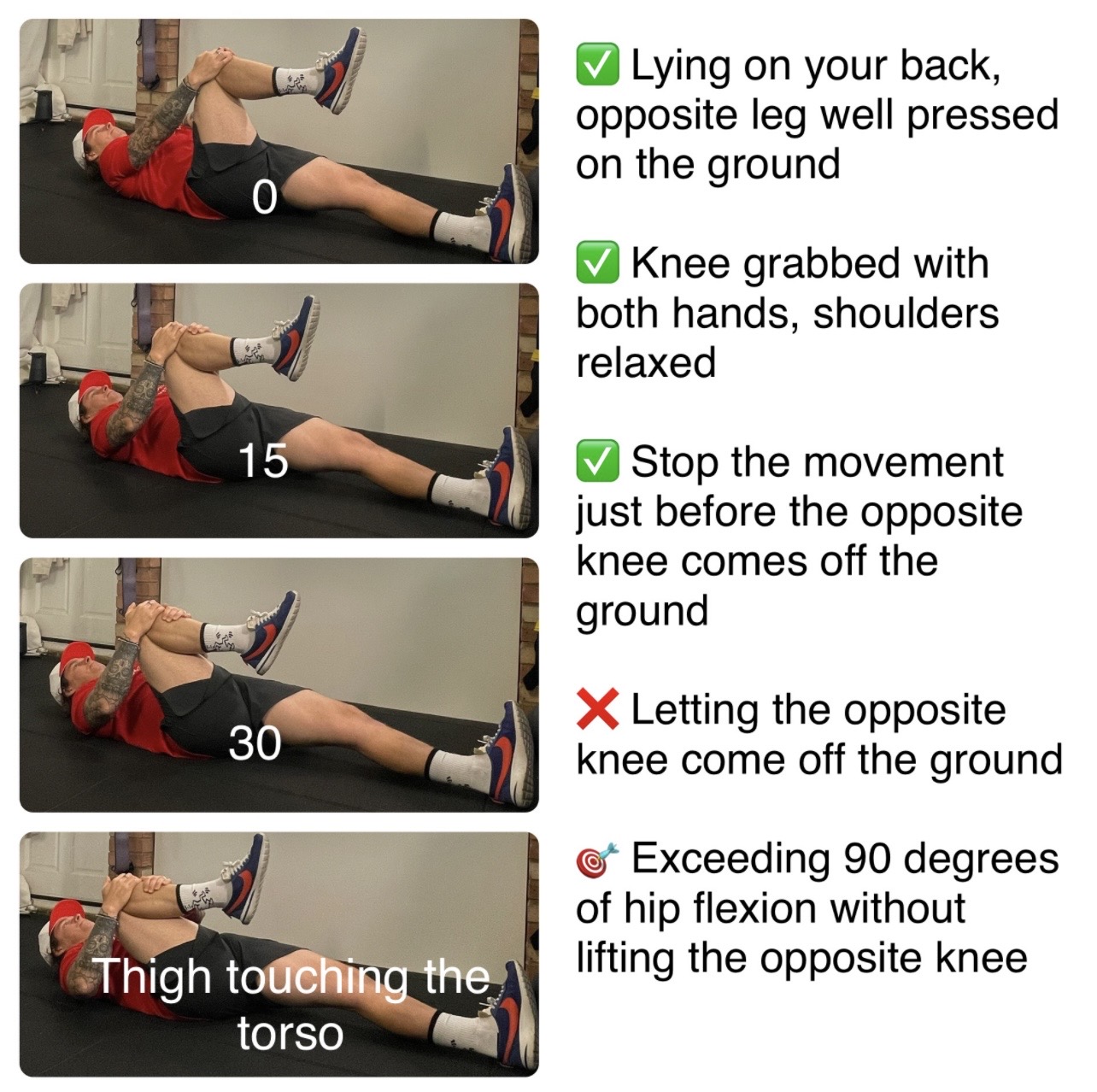
Mobility is the secret weapon to a powerful swing. Exercises targeting key joints can improve your game significantly. Focus on your hips, shoulders, and thoracic spine. Regularly incorporating exercises like hip circles and shoulder rotations can enhance your range of motion. The result? A more fluid swing and less risk of injury.
The Golf Fit Academy Approach

At Golf Fit Academy, we know that every golfer is unique. Our approach combines expertise and science to elevate your game.
Hip Mobility for Golf Improvement
Your hips are the powerhouse of your swing. Improving hip mobility can add yards to your drives. By focusing on exercises that enhance flexibility, you can unlock more dynamic movements. Better hip mobility means more torque and power, translating into longer, more controlled shots.
Enhancing Thoracic Rotation and Shoulder Mobility
A well-rotated thoracic area and flexible shoulders are crucial for a seamless swing. Exercises like thoracic twists and shoulder stretches can significantly enhance your swing’s efficiency. Increased rotation leads to more power and accuracy, helping you hit the ball straighter and further.
Strengthening for Stability and Impact
Stability is key to a consistent game. Strengthening your core and legs provides a solid foundation. Focus on exercises that improve balance and strength, such as lunges and planks. A stable base ensures your swing remains controlled and impactful, reducing mishits and increasing confidence.
Frequently Asked Questions
What is the best way to reduce golf stiffness?
To reduce stiffness, incorporate regular stretching and mobility exercises. Focus on key areas like hips and shoulders, and make sure to include both dynamic and static stretches in your routine.
How can I prevent golf-related pain effectively?
Preventing pain starts with strengthening and mobilizing key joints. Regularly practice exercises focusing on your back, hips, and shoulders to reduce injury risk and improve your swing mechanics.
What makes a good golf warm-up routine?
A good warm-up should include dynamic stretches that target the muscles used in golf. Spend at least 10 minutes on exercises that improve flexibility and prepare your body for a full range of motion.
https://form.jotform.com/202655656535057
Leave a Reply