
Most golfers think power comes from the arms. The truth is your body’s mobility drives cleaner, more consistent ball striking. Mastering key golf mobility exercises unlocks better rotation, low-point control, and clubhead speed. In this guide, you’ll find five targeted drills that connect gym work to your swing, helping you hit longer and with less pain. Book your complimentary Golf Mobility Screen with Chris Birch and start building a stronger body for better golf today.
Golf Mobility Exercises for Pure Striking
Golf mobility exercises are crucial for improving your swing and reducing the risk of injury. In this section, we’ll explore the fundamentals of hip mobility, thoracic rotation, and adductor mobility and how they enhance your golf performance.
Hip Mobility for Golf
Strong hip mobility is the foundation of a powerful swing. Your hips act as the engine that drives your movement, allowing for smooth and controlled swings. Exercises like hip circles and leg swings can improve your range of motion. These exercises not only enhance your swing but also help prevent injuries by ensuring your hips move fluidly. To get started, try incorporating hip circles into your warm-up routine. This simple move can make a big difference in your overall swing fluidity.
Thoracic Rotation Golf
Thoracic rotation is key to a consistent swing. It allows you to turn your upper body effectively while keeping your lower body stable. This separation is what creates power and precision in your shots. You can improve this aspect with exercises like the seated thoracic rotation. By practising this drill, you ensure that your upper body can rotate independently from your hips. This results in a more accurate and powerful swing. Regular practice will help you strike the ball more cleanly every time.
Adductor Mobility Golf
Adductor mobility is often overlooked but crucial for maintaining stability during your swing. Your adductors help keep your legs stable and balanced as you rotate. Exercises like side lunges and adductor stretches can enhance this stability. By strengthening these muscles, you prevent unnecessary movements during your swing that can lead to slicing or hooking the ball. Incorporate these exercises into your routine to maintain a solid base throughout your swing.
Exercises to Improve Low Point
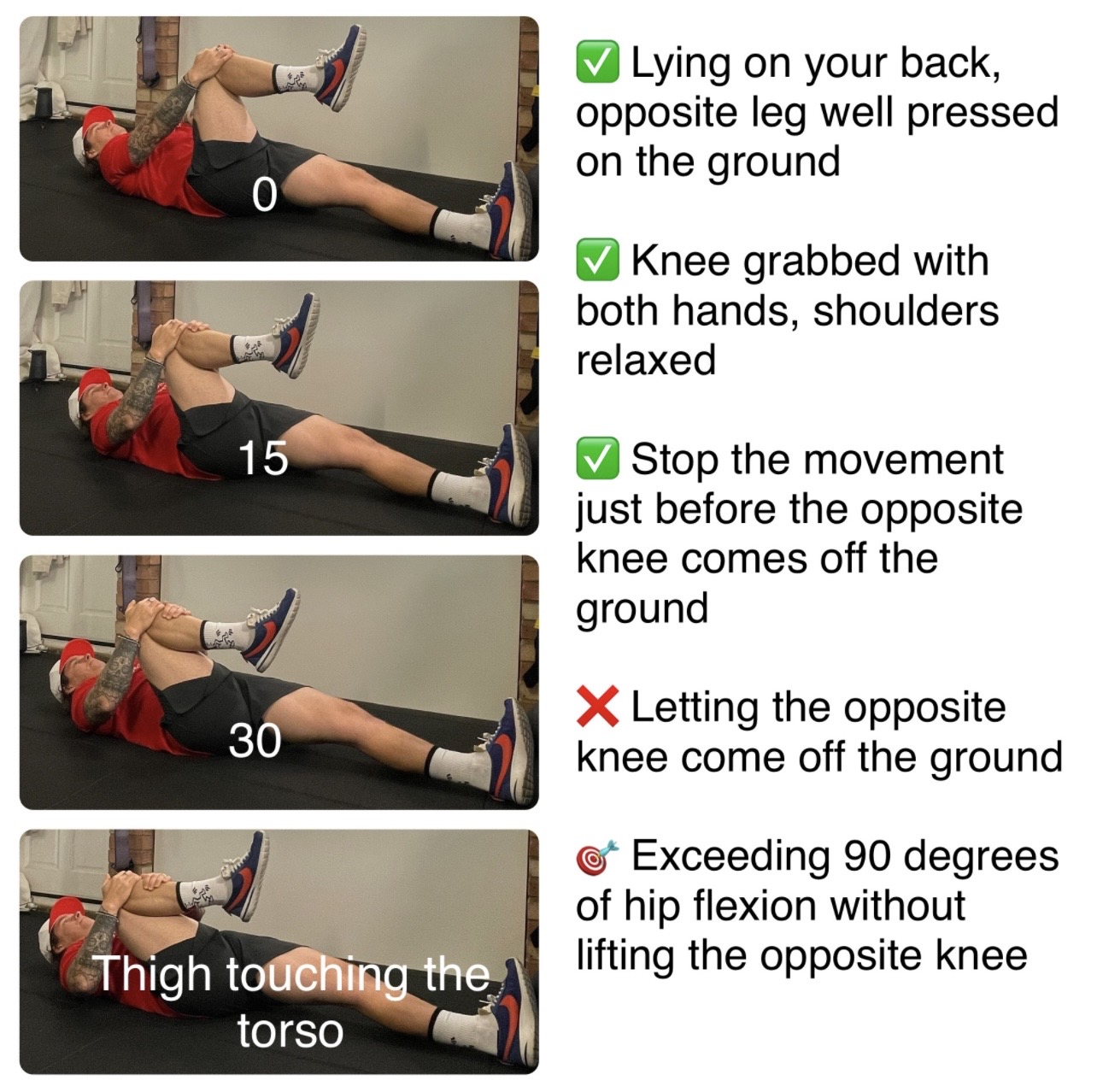
Improving your low point in golf is essential for consistent ball striking. In this section, we’ll explore pelvic tilt control, ankle dorsiflexion, and T-spine rotation to help you achieve better contact.
Pelvic Tilt Control Golf
Pelvic tilt control is vital for striking the ball cleanly. Your pelvis should remain stable and in control throughout your swing. Exercises like pelvic tilts and bridges can help you achieve this control. By mastering these movements, you’ll ensure that your swing remains balanced and powerful from start to finish. This control translates to better contact with the ball and more consistent shots.
Ankle Dorsiflexion Golf
Ankle dorsiflexion plays a significant role in maintaining balance and power. It allows your weight to transfer smoothly from one foot to the other during your swing. Exercises like calf stretches and ankle rotations can enhance this mobility. Improved ankle dorsiflexion ensures that your weight shift is seamless, leading to more powerful and accurate shots. Practice these exercises regularly to keep your ankles flexible and strong.
T-Spine Rotation
T-spine rotation is crucial for achieving a full and controlled swing. It allows your upper body to rotate effectively while your lower body remains stable. Exercises like the T-spine twist and thoracic spine stretches can improve this rotation. By enhancing your T-spine mobility, you’ll have more control over your swing and achieve better ball striking. Make these exercises a part of your routine to see noticeable improvements.
Enhance Clubhead Speed and Power

Enhancing your clubhead speed and power is essential for longer drives and more impressive shots. In this section, we’ll cover the 90/90 hips routine, open book stretch, and half-kneeling hip flexor stretch.
90/90 Hips Golf Routine
The 90/90 hips routine is a great way to boost your hip mobility and power. This exercise helps your hips move more freely, translating into a more powerful swing. By practising the 90/90 routine, you’ll notice increased flexibility and speed in your swing. It’s a simple yet effective way to boost your performance on the course.
Open Book Stretch Golf
The open book stretch targets your thoracic spine, improving your upper body rotation. This stretch ensures your upper body can turn smoothly, adding power to your swing. Incorporate this stretch into your routine to enhance your rotational power. You’ll see improved clubhead speed and more distance in your shots.
Half-Kneeling Hip Flexor Stretch
The half-kneeling hip flexor stretch is essential for unlocking your hips’ full potential. This stretch targets the hip flexors, allowing for a more powerful and controlled swing. By consistently practising this stretch, you’ll experience increased hip mobility and power. This translates to longer drives and a more dynamic game on the course.
Frequently Asked Questions
How can hip mobility improve my golf swing?
Hip mobility is crucial for a powerful swing. It allows for smooth rotation and helps generate speed and power. By improving hip mobility, you enhance your swing’s fluidity and reduce the risk of injuries.
What exercises can help with thoracic rotation for golf?
Exercises like the seated thoracic rotation and T-spine twists are effective for improving thoracic rotation. These exercises enhance your upper body’s ability to rotate independently, leading to more accurate and powerful swings.
Why is ankle dorsiflexion important for golf?
Ankle dorsiflexion ensures a smooth weight transfer during your swing. It enhances balance and power, leading to more consistent and accurate shots. Improved dorsiflexion helps you maintain stability and control throughout your swing.
How often should I practice these mobility exercises?
For optimal results, aim to incorporate these mobility exercises into your routine at least three times a week. Consistent practice will help you see improvements in your swing and overall performance.
Can these exercises prevent golf-related injuries?
Yes, these exercises help improve flexibility, balance, and control, reducing the risk of common golf-related injuries. By enhancing your body’s mobility and stability, you can play more confidently and with less pain.
https://form.jotform.com/202655656535057
Leave a Reply